






































As gas prices continue to rise across the nation, many students and teachers here at Atherton express the impacts that are reaching beyond the gas pump. From making decisions on what money is spent on to concerns about global conflict, rising gas prices have remained the topic of discussion for many in the community.
According to recent reports, gas prices in America have risen sharply since February 2026 due to the ongoing conflicts caused by the Iran War and disruptions in the Strait of Hormuz, a vital global oil shipping route. Uncertainty in the Middle East has caused oil prices to spike, directly impacting the cost of gas.
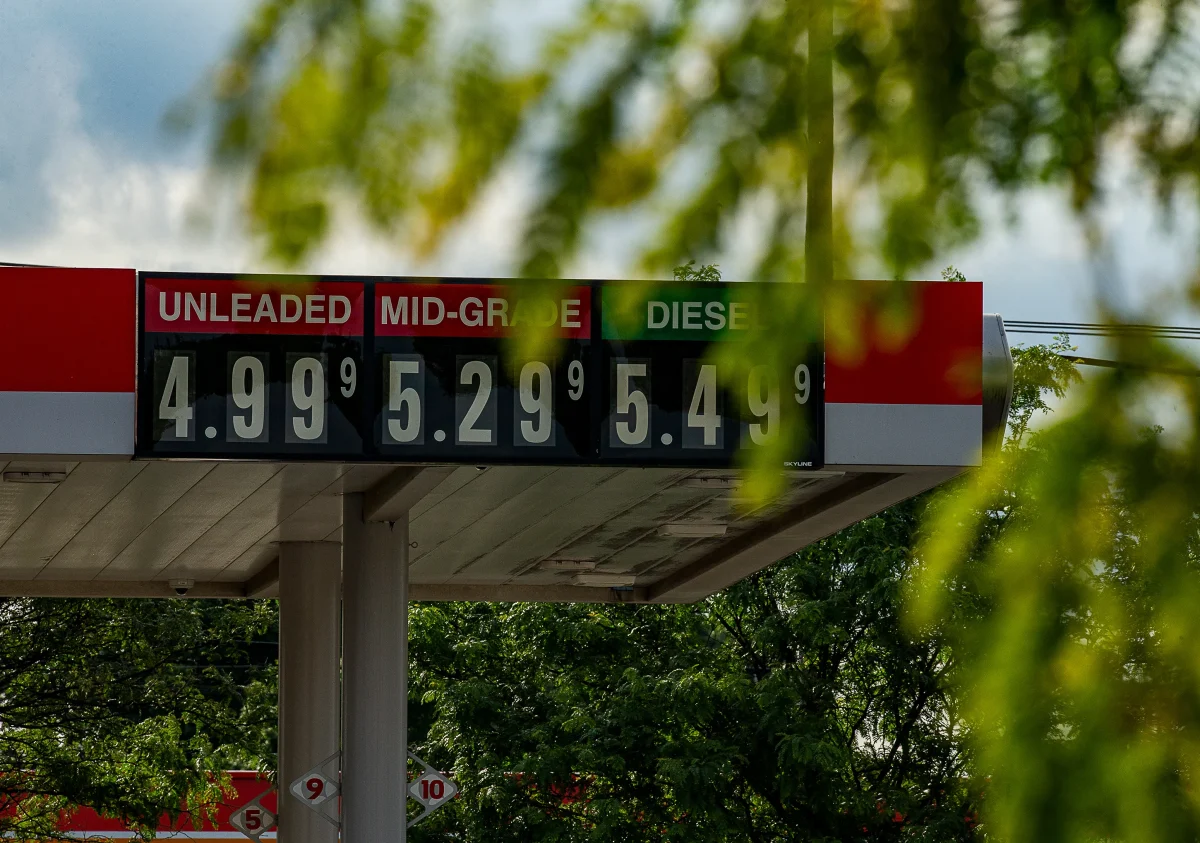
In Louisville, many gas stations are approaching over four dollars per gallon, unlike last year when gas was roughly two to three dollars. This surge in gas prices puts pressure on many, especially since inflation and increasing living costs have become the norm within society.
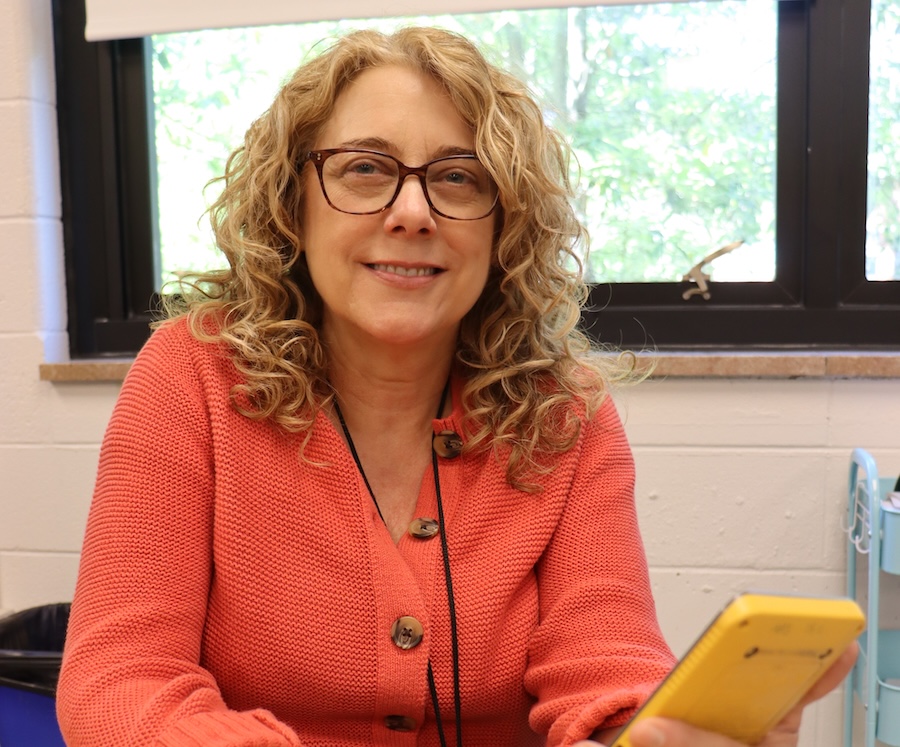
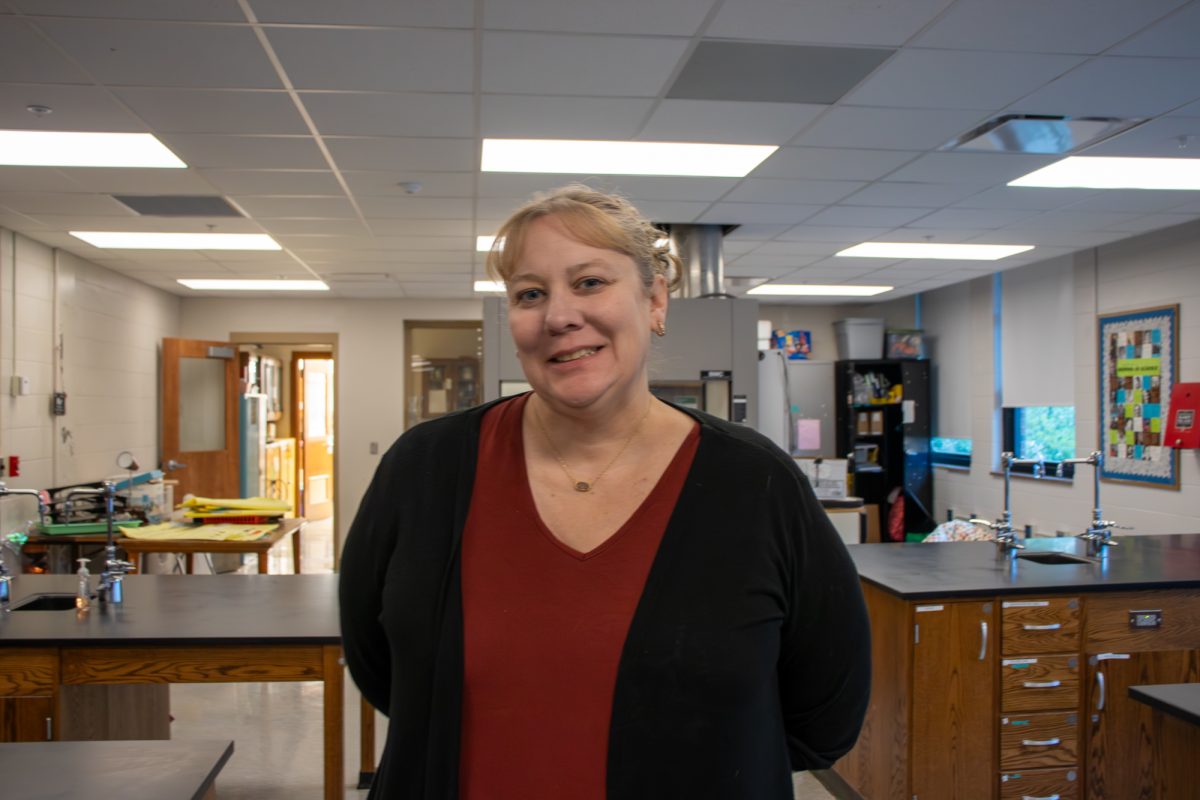
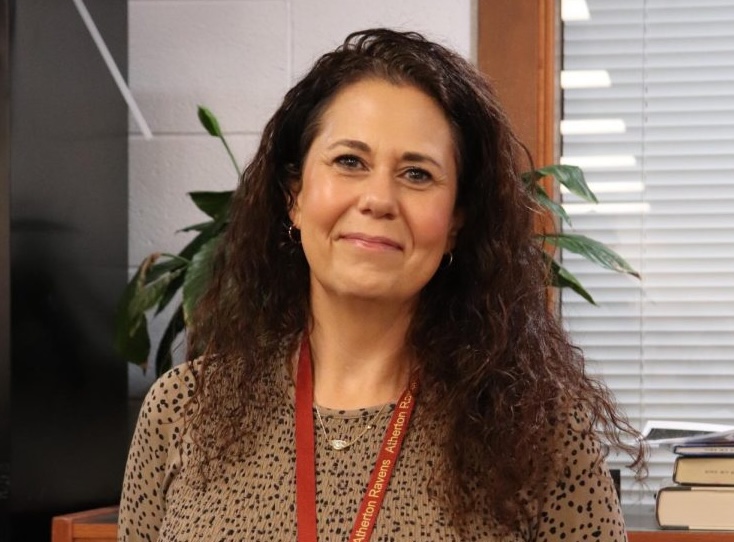
Ms. Tammy, explains the concerns she has for people who are having to prioritize paying for gas over other daily needs.
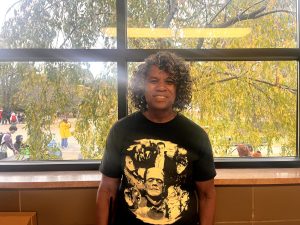
“Everything’s gone up gradually, it’s definitely affecting the American public because people are still making the same pay,” said Ms. Tammy. “It’s bad when you have to decide- do I eat healthy or do I need to go pay my rent, mortgage, and gas.”
Furthermore, Mr. Boros says he now has to make decisions everyday that he did not have to make before. Boros has a longer commute than usual, traveling over eighty miles to and from Atherton each day. He has seen the ups and downs of gas prices over the years, but illustrates how this specific situation has affected his day to day life.
“One thing I do differently, which has sucked, is that if I have stuff to do in the evenings here in Louisville, I’ll just stay,” said Boros. “In the past, I would go home and come back, but it’s been pretty inconvenient not doing that.”
Students are also demonstrating frustration of being limited by soaring gas prices. Many upperclassmen at Atherton are able to drive, and are now being challenged to support themselves. Jude Crenshaw (11) has expressed the pressure he has been put under in the past few months.

“I used to be working frequently but now I am not getting around forty dollar checks, and that is literally gas,” Crenshaw said. “I’ve had to rely on my mom more and it’s just terrible timing with all of the messed up financial situations going on.”
Along with personal struggles regarding gas prices, another major concern has been global conflict. Everyone has their own opinion on the War and disputes in Iran. Some criticize the American actions that have brought the nation to these circumstances, while others express that extravagance of the situation.
Hayden Harrelson (10) and Crenshaw elaborated their opinions on the conflict and how its progressive forces seem unnecessary.
“It’s not possible for us to go into a mountainous country and try to change the people’s and military’s mind when we have no idea how to obtain anything,” said Harrelson.
“When countries like China have a lower supply of oil, they’re forced to buy from America, I don’t think it’s an overall good decision,” said Crenshaw. “It seems that America’s nature throughout history is to go into other countries and try to change them politically without giving people better lives.”
Many also state the conflict is money driven and that the struggles regarding gas could be avoided. Specifically, Boros expands on how oil is not the world’s only source of fuel.
“During World War II the Germans were running all their tanks and vehicles with no oil products. They would use wood fire to overcome oil shortages,” said Boros. “It’s a very cynical problem how nobody will ever allow this to happen [using other sources of fuel]. There’s too many people making too much money.”

As global tensions show no sign of easing, individuals are reminded that issues across the world can affect them at home. Students and staff at Atherton are preparing for a summer with expensive gas prices and a lot of walking.