














































More teens are being exposed to gambling through games that include things like spinning wheels, loot boxes, or micro transactions . These features can look harmless, but they often work the same way as traditional gambling, with players spending real money for random outcomes.
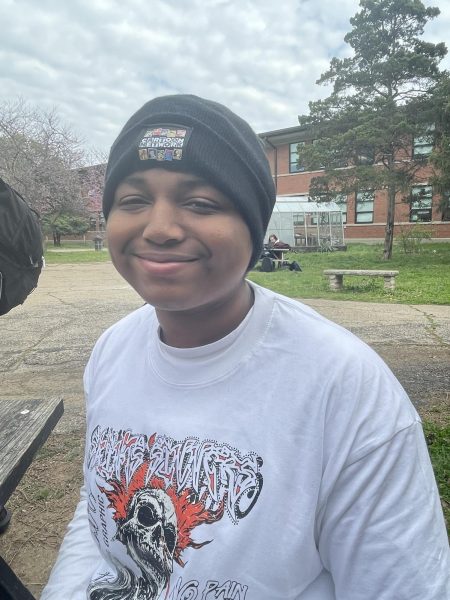
Myron Strohman (11) sees that happening firsthand.
“Video game gambling,” he said. “You press a button, it spins a wheel until you get something, and you have to spend your own money for it. That is where most underage gambling happens.”

That kind of exposure is becoming more common. Studies show that a majority of teens are aware of in game purchases like loot boxes, and many have spent money on them.
But gambling is not just happening online.
For some students, it is showing up in real life too.
James Swanson (10) said opportunities to gamble can come from people they already know
“It is probably really easy to get started when you are under 18,” he said. “I have been offered to go to poker nights and casinos before by friends and people I know.”
Even though gambling is illegal for minors, access is not always as limited as it seems. Many teens are introduced through friends, family, or casual situations, like betting money during games or trying out activities that seem harmless
That early exposure matters. Experts say gambling can start at a young age and, for some, develop into a habit before adulthood
For many teens, it does not feel serious in the moment. it feels like a game, something social, or just another way to pass time.
“It is not too hard,” Swanson said. “But I can see how it might be a challenge for some. Don’t gamble kids!”
The line between entertainment and risk is getting harder to see. For some, it stays casual. For others, it can turn into something more, like an addiction