


































Across the country, more students are graduating than before. Rates have gone up steadily over the past two decades, rising about 7 percent from 2002 to 2022. On the surface, that sounds like clear progress. Inside schools, though, the conversation is more mixed.
Part of that discussion centers around credit recovery and digital classes. Some people see them as making graduation easier. Others see them as necessary support for students who fall behind.
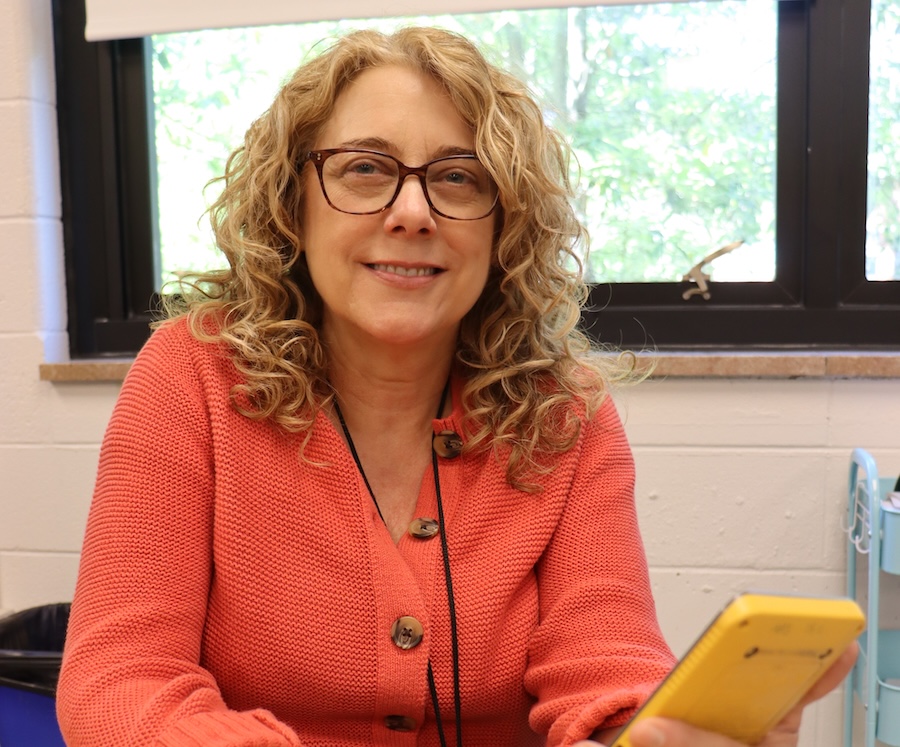
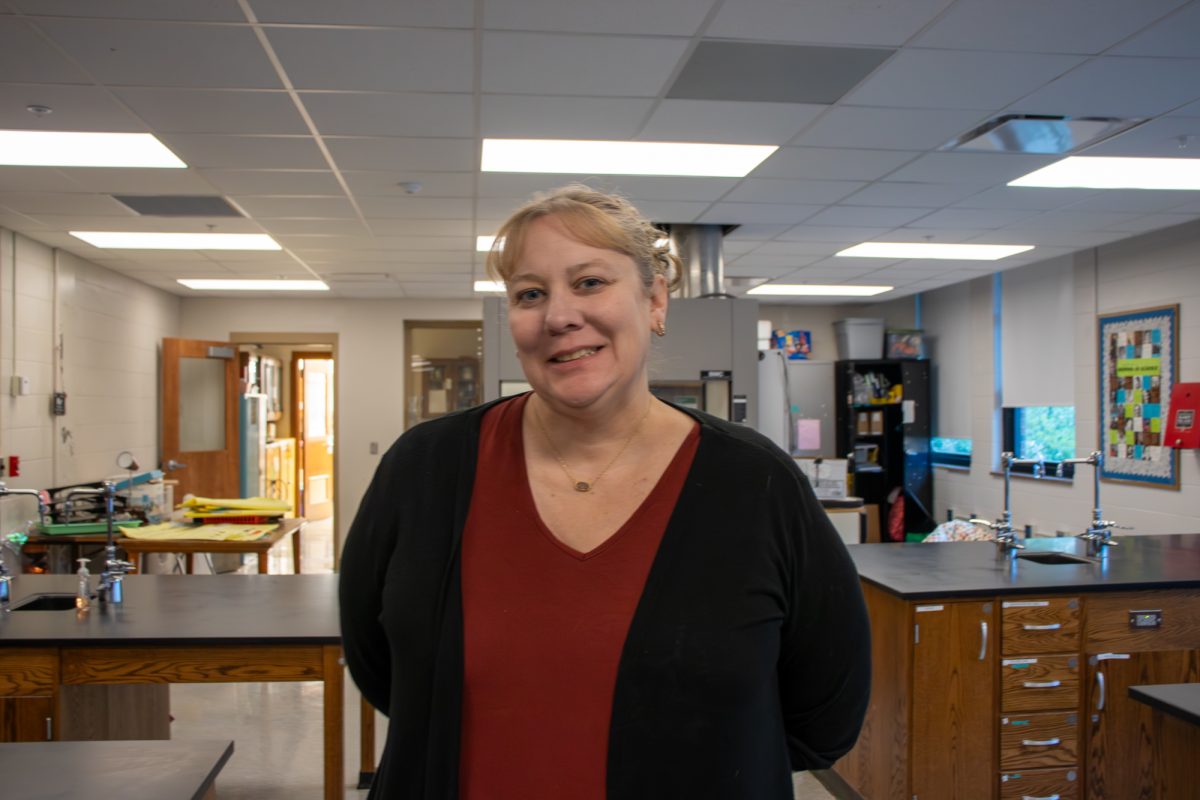
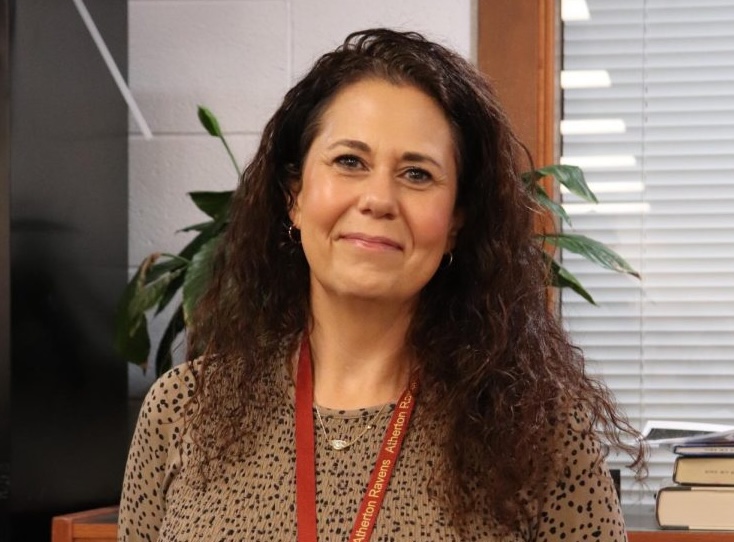
Tammy Berlin, a teacher who works with students in credit recovery at Atherton, says the system is more structured than it might seem.
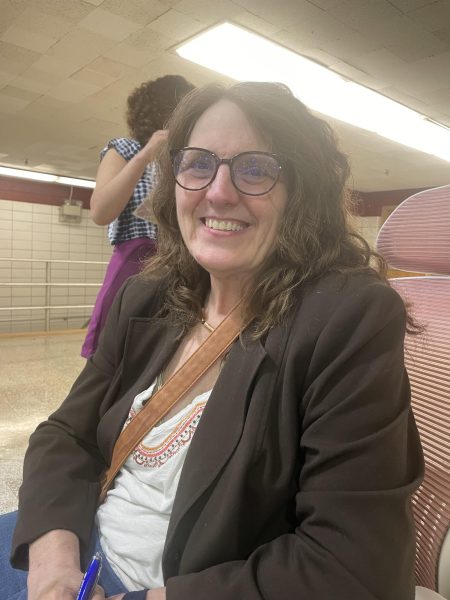
“It is self directive work,” she said. “We need to see that you are making progress, but ultimately it is on you to finish your classes.”
Students are expected to stay on track, and if they do not, there are consequences.
“If you are not finishing or making progress, you are going to have to answer to your counselor about why,” Berlin explained.
There is also a common misconception that students can choose digital classes simply because they are easier. Berlin says that is not how placement works.
“You cannot just decide you want to do digital classes instead of your regular ones,” she said. “You have to make an honest attempt at the class first.”
In many cases, students end up in digital courses because of scheduling conflicts or because they need to make up a class they did not pass.
“Some students have full schedules, like IB students, and want to fit in another class,” she said. “Others are taking dual credit courses that are online. There are a lot of different reasons.”
From a student perspective, though, the experience can feel different from a traditional class.
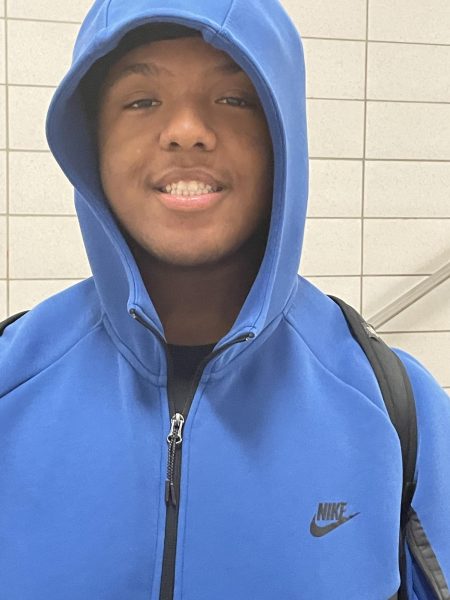
Tyrone Thurston (11), who is currently using credit recovery, said it has helped him get back on track.
“I feel like course recovery is a lot easier,” said Thurston. “When you are in a deep hole, it is like a shelf that helps you climb back out.”
Even so, he said it still requires effort and focus.
“It might take a minute. It might take a lot of struggle,” he said. “But if you put in the time, you can really get it done.”
Thurston implies the program isnt about convenience, It is about having another chance to graduate.
“I had a couple classes that I could not get up,” he said. “Now it is helping me get my classes up and giving me a chance to graduate.”
Either way, for many students, credit recovery is not just an easier option. It is a way to stay on track and reach graduation when the traditional path does not work out.